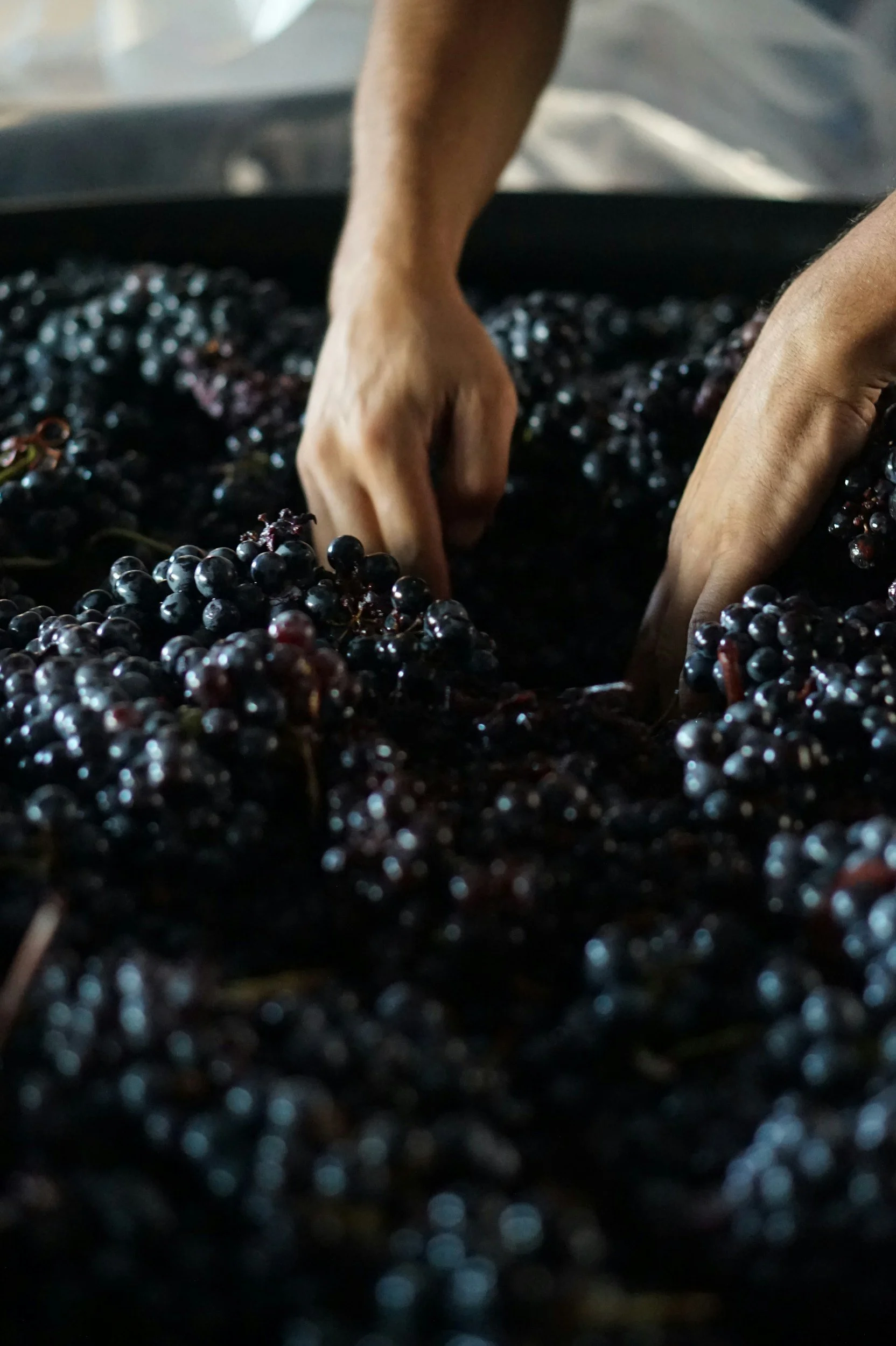

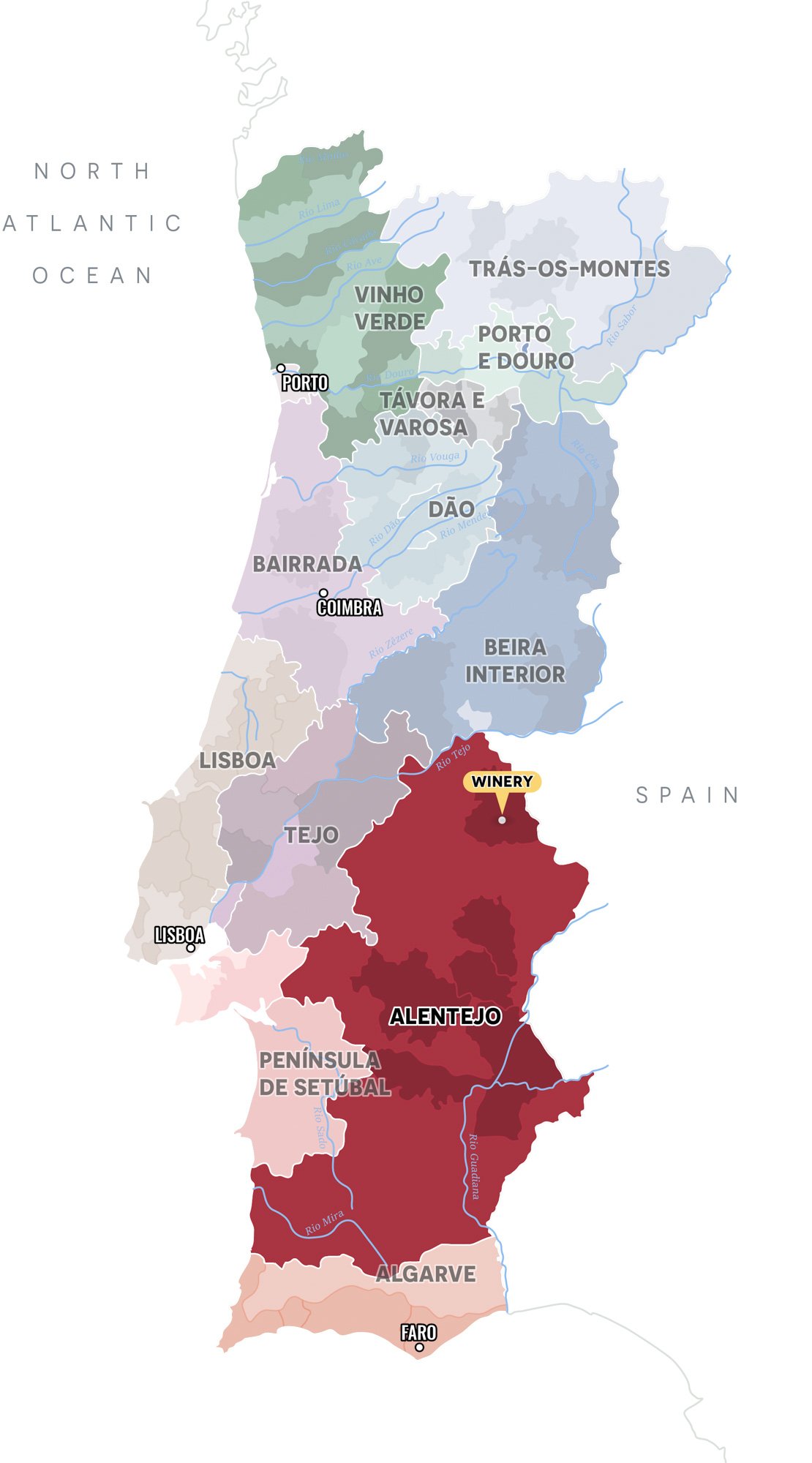
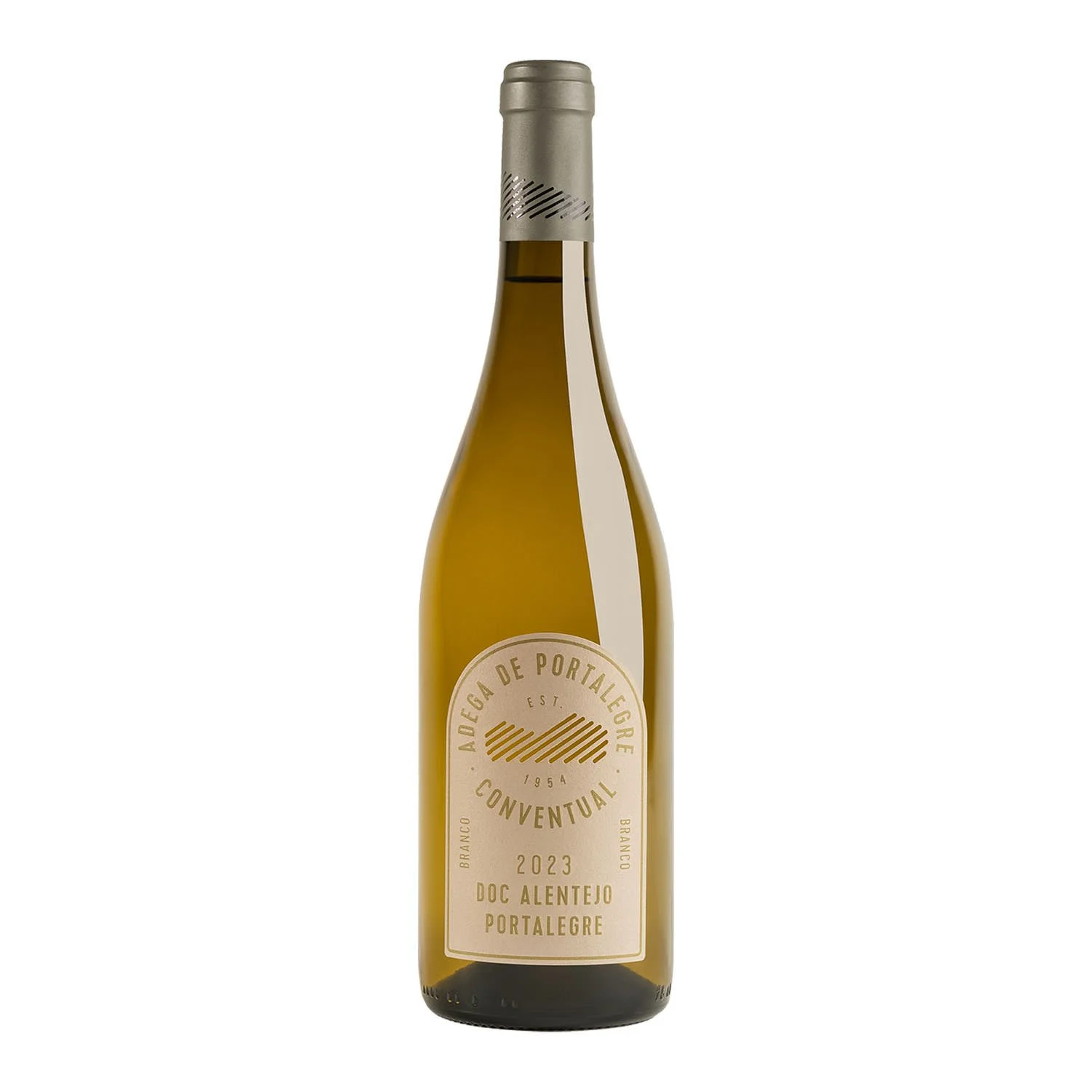
Adega de Portalegre
Adega de Portalegre, established in 1954 by local winegrowers within the picturesque Natural Park of Serra de São Mamede, underwent a significant transformation in 2016 when it was acquired by the Redondo family. This marked the family's inaugural foray into the wine sector, building upon their longstanding success in producing Licor Beirão since 1940, Portugal's best-selling and most beloved spirit.
The driving strategy behind Adega de Portalegre has been a relentless commitment to quality and the craft of small-batch winemaking. The aim is to capture the unique essence of the Portalegre sub-region within the broader Alentejo wine region, producing wines that exude elegance, power, and remarkable freshness. With 55 acres of its own vineyards in Quinta da Cabaça and close collaborations with small, family grape producers, the winery thrives on the distinctiveness derived from utilizing grapes from century-old vines. These vineyards, perched at altitudes ranging from 600 to 700 meters, impart a unique character to the wines.
Portalegre stands out among the eight DOC (Designation of Controlled Origin) regions in Alentejo, boasting its distinctiveness in soil composition, grape varieties, altitude, and the age of its vineyards.
The grape varieties hailing from this region contribute to the wines' exceptional eccentricity, with a diverse range including Aragonez, Castelão, Trincadeira, Alfrocheiro, Touriga-Nacional, Moreto, Tinta-Caiada, Alicante Bouschet, Grand Noire, and Cinsault for red grapes, as well as Arinto, Fernão-Pires, Antão-Vaz, Bical, White Alicante, Malvasia-Fina, Dialgalves, Syria, Rabo-de-Ovelha (sheep's tail), White Galician Muscat, Perrum, Trincadeira-das-Pratas, and others for white grapes.
These grapes thrive in three key vineyard locations:
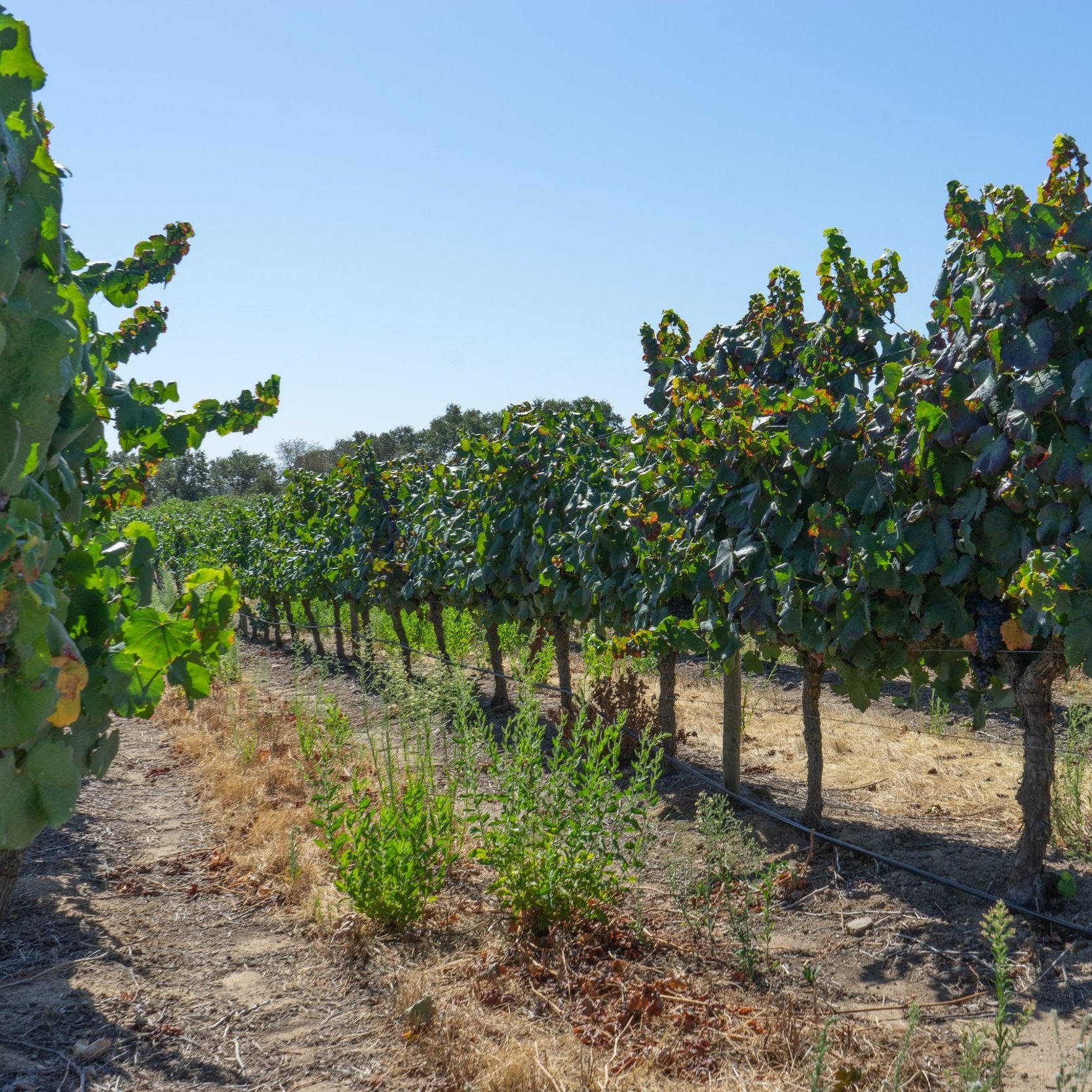
Quinta da Cabaça: Nestled at elevations between 600m and 700m, this 22-hectare vineyard boasts clayish soils adorned with granite outcroppings, influenced by both Atlantic and Mediterranean climates.
Serra da Penha: An idyllic vineyard spanning 8 hectares, ranging from 450m to 650m in altitude, with granitic soils and a unique blend of Atlantic and Mediterranean climatic influences. Here, vineyards are approximately 20 years old.
Small Producers in Serra de Sao Mamede: Vineyards scattered across the Serra de Sao Mamede region, ranging from 400m to 700m in altitude. Soils vary, with clayish soils and granite outcroppings on the Portalegre Plateau, and granitic soils within the Sierra itself. The climate ranges from Atlantic and Mediterranean to continental, lending a dynamic character to the wines. These vineyards, estimated to be around 150 years old, contribute to the distinctive terroir and unique identity of the wines of Sierra de São Mamede.
Adega de Portalegre is steadfast in its dedication to environmentally responsible agricultural practices, energy efficiency, reduced water consumption, and the use of recyclable materials throughout the entire production process, from vineyard to table.
The winery's formidable team comprises resident winemaker and viticulturist Miguel Sistelo, alongside consultant Nuno Mira do Ó, named the best winemaker of 2022 by Revista dos Vinhos. Together, they have left an indelible mark on the winery's portfolio, elevating its offerings to new heights of quality and distinction.







Marcos Vieira - Winemaker
Marcos was born in Lisbon and grew up in Sintra, though his family roots trace back north to Beira Alta. He spent most of his summer vacations with his grandparents there, where time passed slowly — between playing ball on the threshing floor, reading on hot afternoons, and helping his grandparents in the fields. Those fields held potato patches, almond trees, olive groves, and vineyards. The vineyard especially captured his curiosity, as it required special care. He would accompany his grandfather, who admired the grapes and explained the different vine varieties. Another fascinating place was the cool, stone wine cellar, filled with old barrels, bottles from past harvests, cobwebs, and visitors who always stopped by to taste and share stories.
When the time came to choose a career, Marcos knew it had to involve the countryside — preferably grapes and wine. He graduated in Agro-Industrial Engineering from the Higher Institute of Agronomy in Lisbon and spent his vacations doing harvest internships. In 2004, he joined a new project in Crato that had only a pit in the ground for a cellar. They had four tanks and water supplied daily by the fire department. Within a year, the winery was properly established. Over twenty years, the project and Marcos both matured, and he takes pride in his role in its growth.
In 2025, a new challenge arose — working as a winemaker at Adega de Portalegre. The region’s unique high-altitude vineyards, surrounded by cork oaks, holm oaks, chestnuts, and ancient forests, captivated him. The vineyards of Quinta da Cabaça, totaling 22 hectares, are part of this natural park. All the grapes come from this estate and small local growers, producing wines that reflect the terroir’s distinct characteristics — from diverse grape varieties to soil types ranging from clay-shale to granite. Marcos believes that great work requires passion and dedication, and for him, wine is both a profession and a lifelong passion. Wherever he travels, he seeks out new wines, grape varieties, cellars, and fellow enthusiasts.